The Best Coffee Grinders of 2025
Whether you're brewing in a downtown condo or a Mount Pleasant kitchen, these are the top picks to handle the Lowcountry heat.
Best Overall
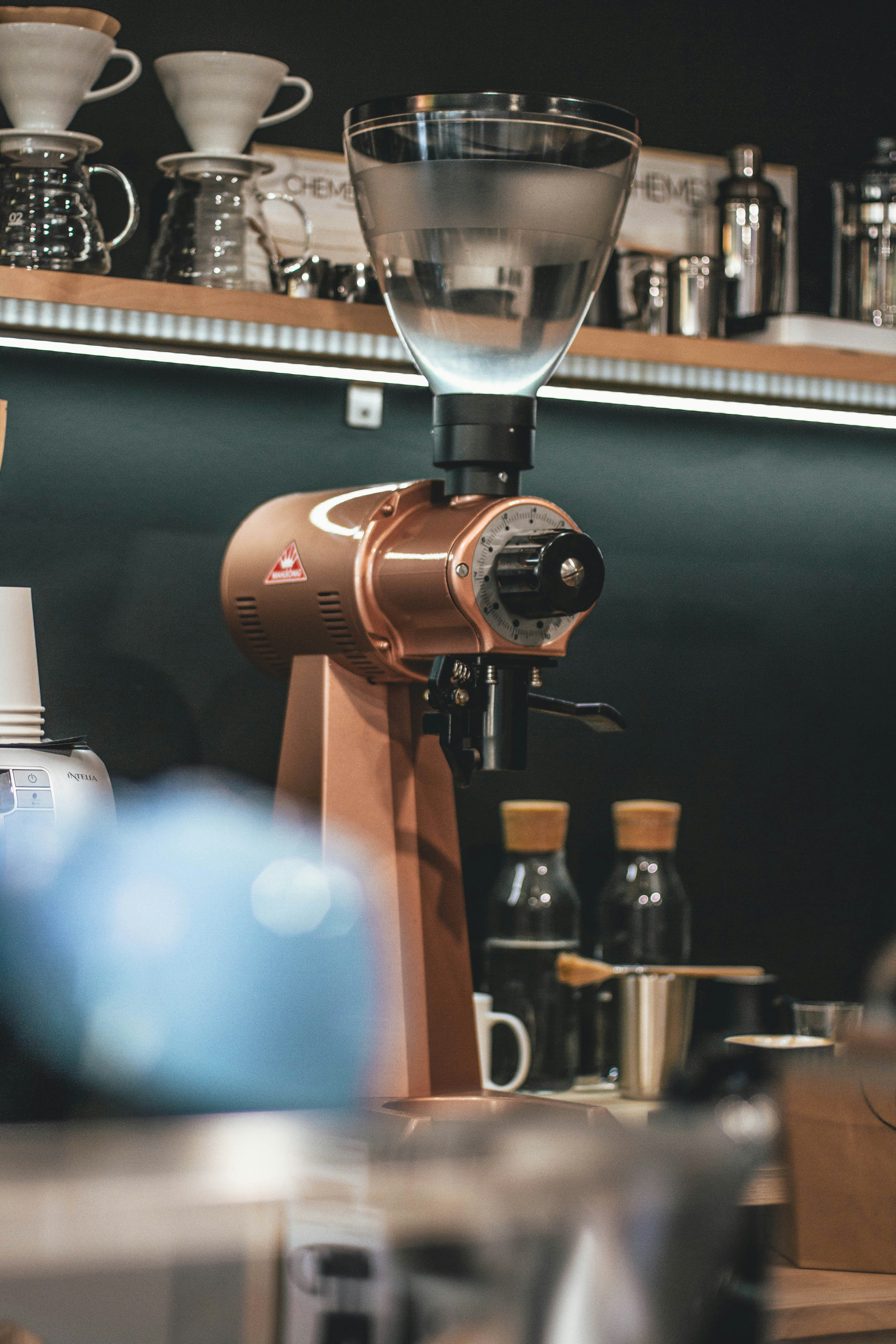
Perfect for King St. Apartments
Baratza Encore
The gold standard for home brewing. It's built like a tank—reliable enough to survive a hurricane season and consistent enough for perfect pour-overs.
- Type: Conical Burr
- Best For: Drip & French Press
Best for Espresso
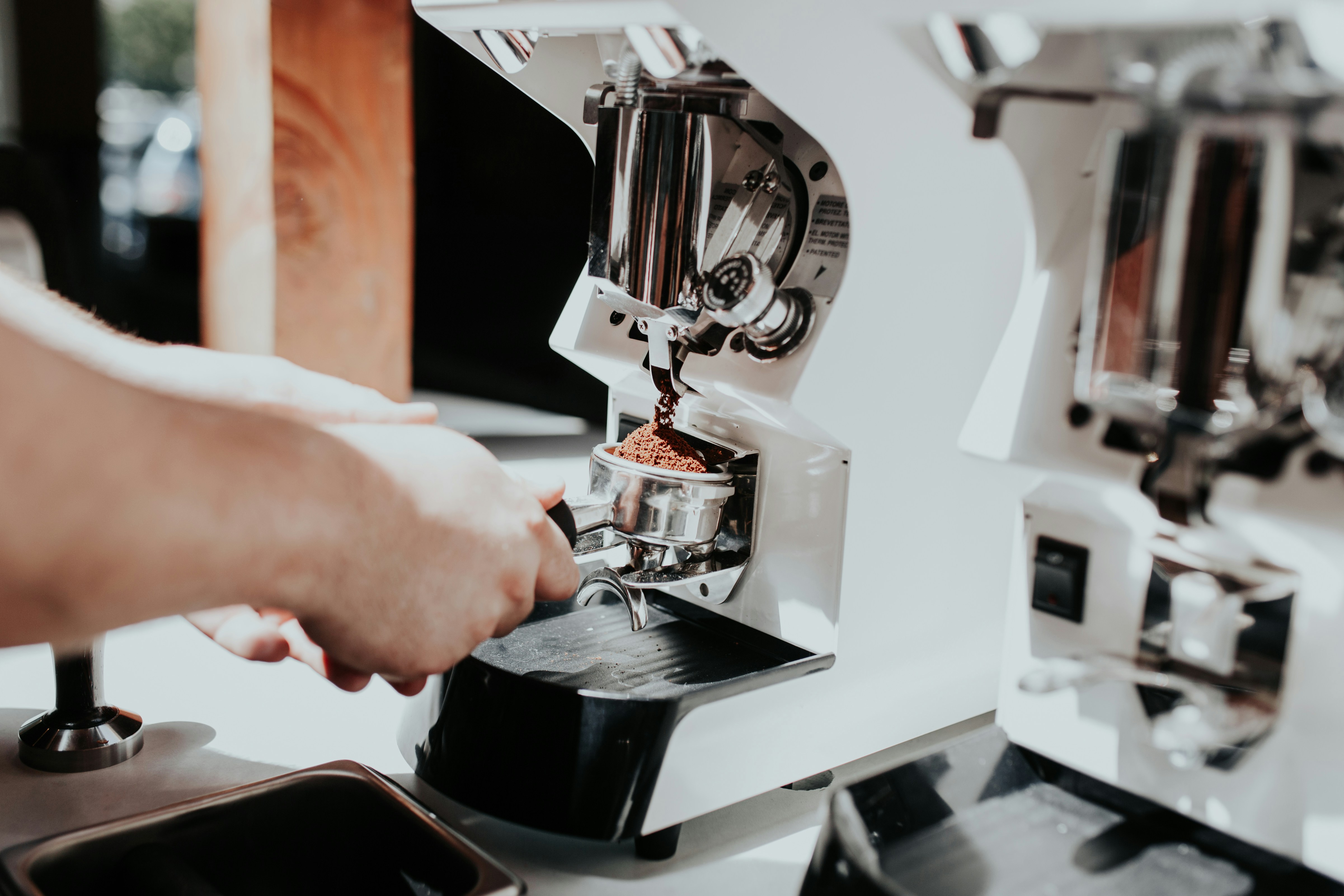
The "South of Broad" Luxury Pick
Fellow Ode Gen 2
Sleek, silent, and powerful. This grinder looks beautiful on any countertop and delivers a grind so consistent it rivals the best cafes in the Holy City.
- Type: Flat Burr
- Best For: Precision Filter Coffee
Best Budget
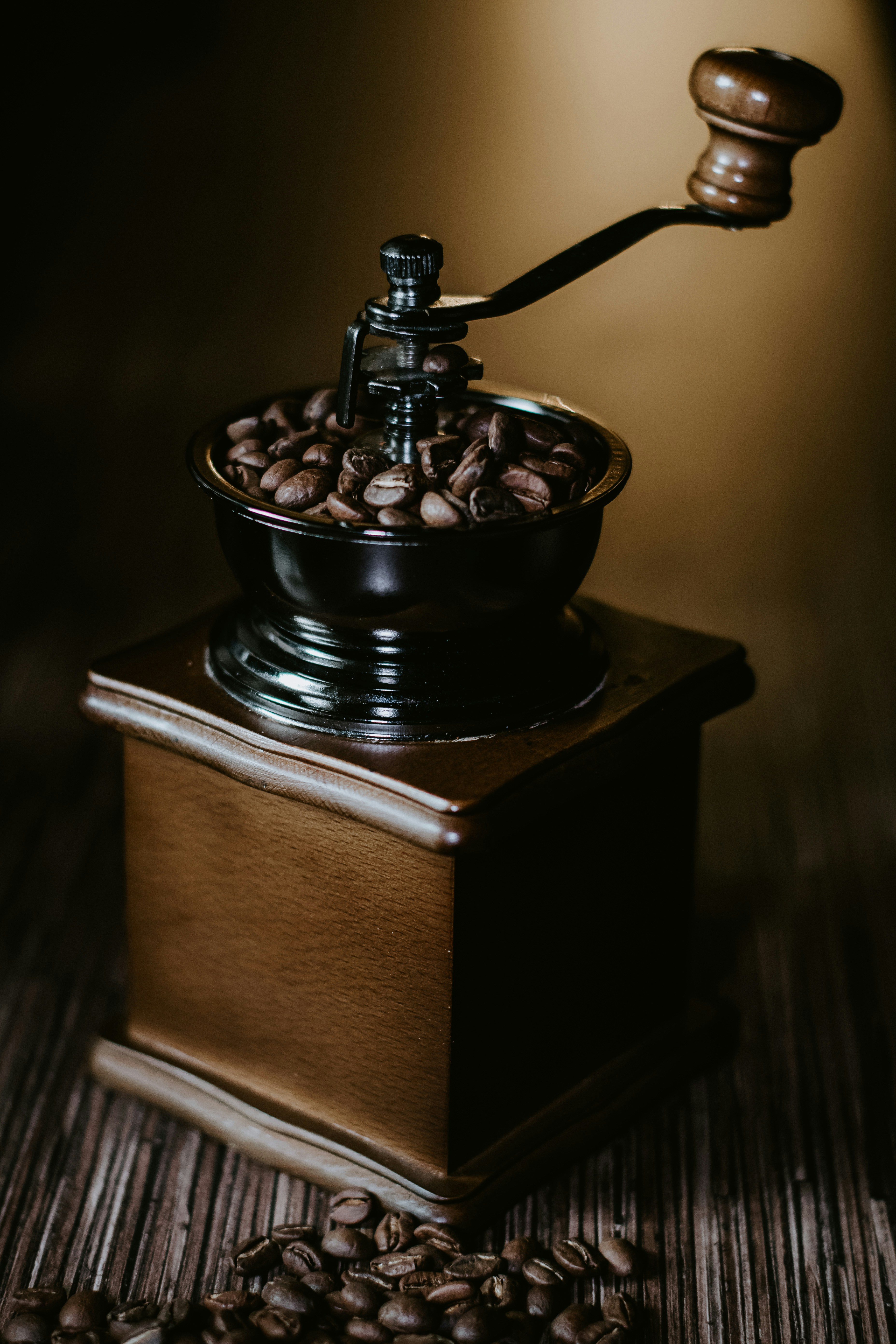
Student Friendly (C of C)
OXO Brew Conical Burr
Simple, effective, and affordable. If you're rushing to class at College of Charleston or heading to Folly Beach, this gets the job done quickly.
- Type: Stainless Steel Burr
- Best For: Daily Drip